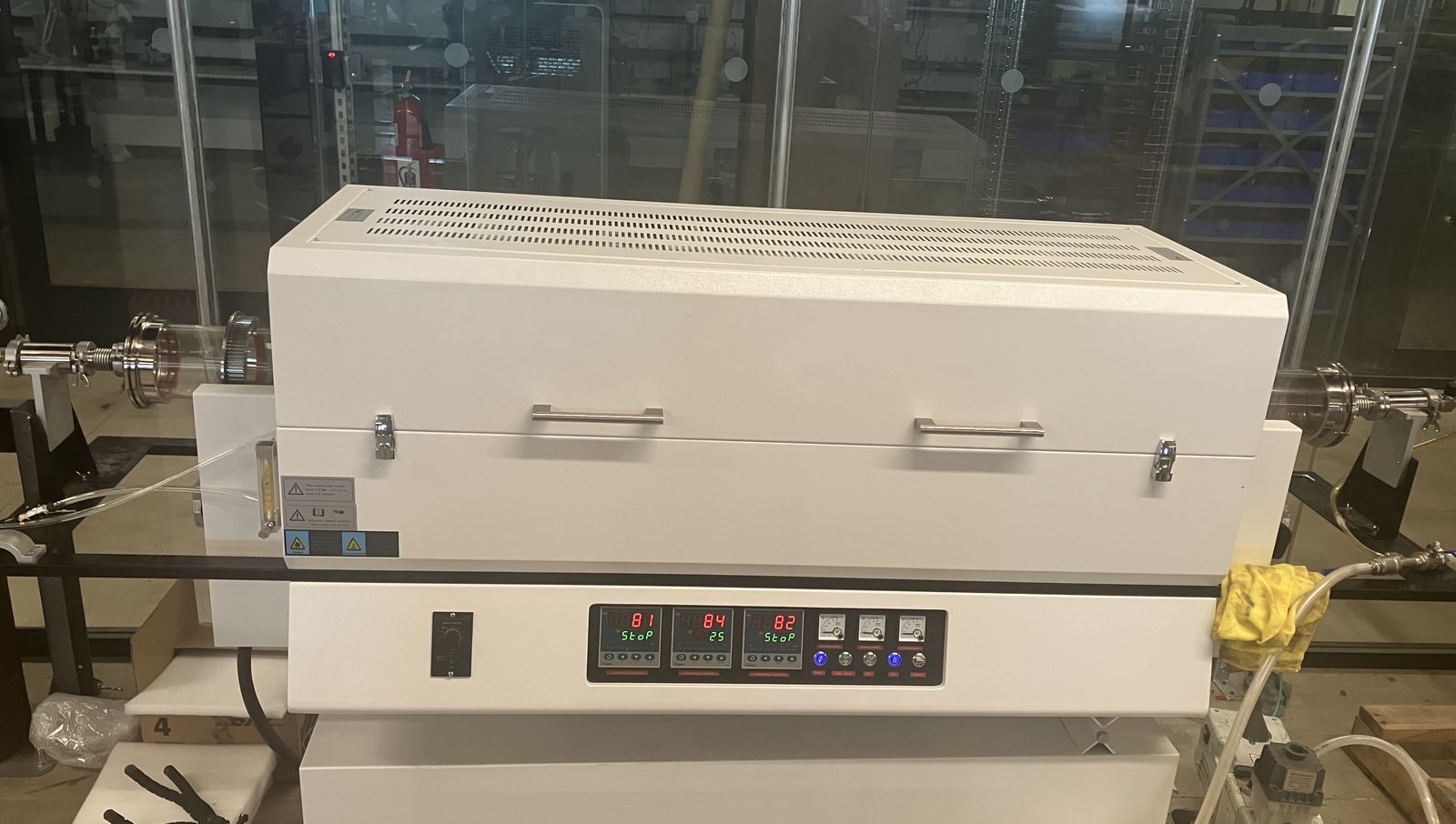
Nascent Materials introduces Nascent Freedom 250, LFP cathode at 2.5+ g/cc, made in New Jersey
Release text and embargo details will follow. Media inquiries go to the contact listed in the press kit.
Read the release when it postsMany inputs. One powder.
We buy what the mine makes and sell what the cell maker needs. One melt turns lithium, iron and phosphate, in the forms and grades US supply comes in, into LFP cathode to a single specification, with no precursor plant in front of it. Flexibility usually costs more. Here it costs less.
Each feedstock has a point at which it becomes cathode. Our AI process twin, corrected by the production runs made since 2025, finds that point for a lot before the furnace is lit. Read about the phase twin
We have none. The LFP forms in the melt, so the pCAM plant that sits in front of every conventional cathode line, the step China has placed under export control, is not on our flow sheet. Lithium, iron and phosphate go in as they are supplied.
We do not need a 30,000 ton plant to make money. The first line is sized to the defense and storage customers who pay for the best material, sold out before it is built, and run on an established partner's equipment. Capacity grows from revenue, not from a factory financed ahead of demand.
We know where the line is. Freedom 250 reaches the density that defines China's most advanced LFP while holding capacity and efficiency, and the phase twin finds each lot's melt point before the furnace is lit. Cheaper grades go in, the impurities come out, and the difference is the margin.
A refinery earns the crack spread. We earn the grade spread, and a model of our own furnace is what makes it repeatable.
Freedom 250 is an LFP cathode powder made in the United States. The LFP phase forms as the melt freezes, at a point the phase twin sets for each lot, and the finishing steps that follow bring the powder to spec. It is sampling with customers now.
Freedom 250 goes first to defense and stationary storage, the buyers who pay for density and for a supply chain with no Chinese precursor in it. The first line is sized to those customers, so capacity grows from revenue rather than from a factory financed ahead of demand. Automotive follows as it comes, and the storage build-out under way is the largest there has ever been. It runs on LFP.
The furnace takes lithium as carbonate, hydroxide or dihydrogen phosphate, in technical as well as battery grade; iron as metal, oxide, phosphate or oxalate; and phosphate as phosphoric acid, iron phosphate or ammonium phosphate. What a supplier could not afford to remove leaves the melt as off-gas and slag, so the burden of purity sits with Nascent, not with the mine. There is no pCAM precursor anywhere on the line. The twin reads the composition of each lot and sets its melt point.
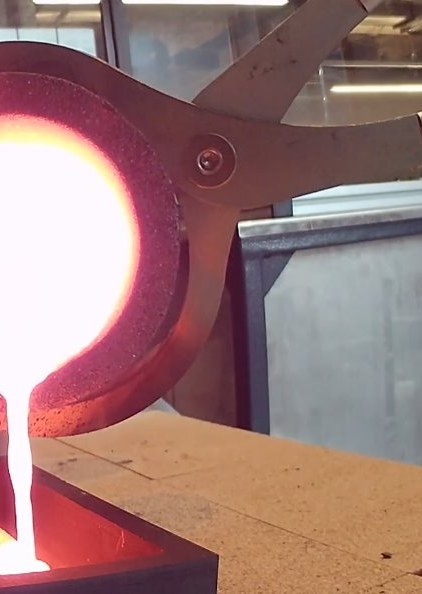
Melt synthesis is the first thermal step and the one particular to Nascent. The feedstock crosses its liquidus once, and the LFP phase is set when the melt is quenched in the atomizer.
A high-pressure water stream breaks the melt directly into gray LFP powder. The melt never solidifies as a block.
The gray LFP powder is milled wet in a bead mill, which breaks the atomized powder down into the fine primary particles the cathode is built from.
Droplets of the slurry fall through hot air and dry into the secondary particles that will carry current in the electrode. The powder is still gray at this stage.
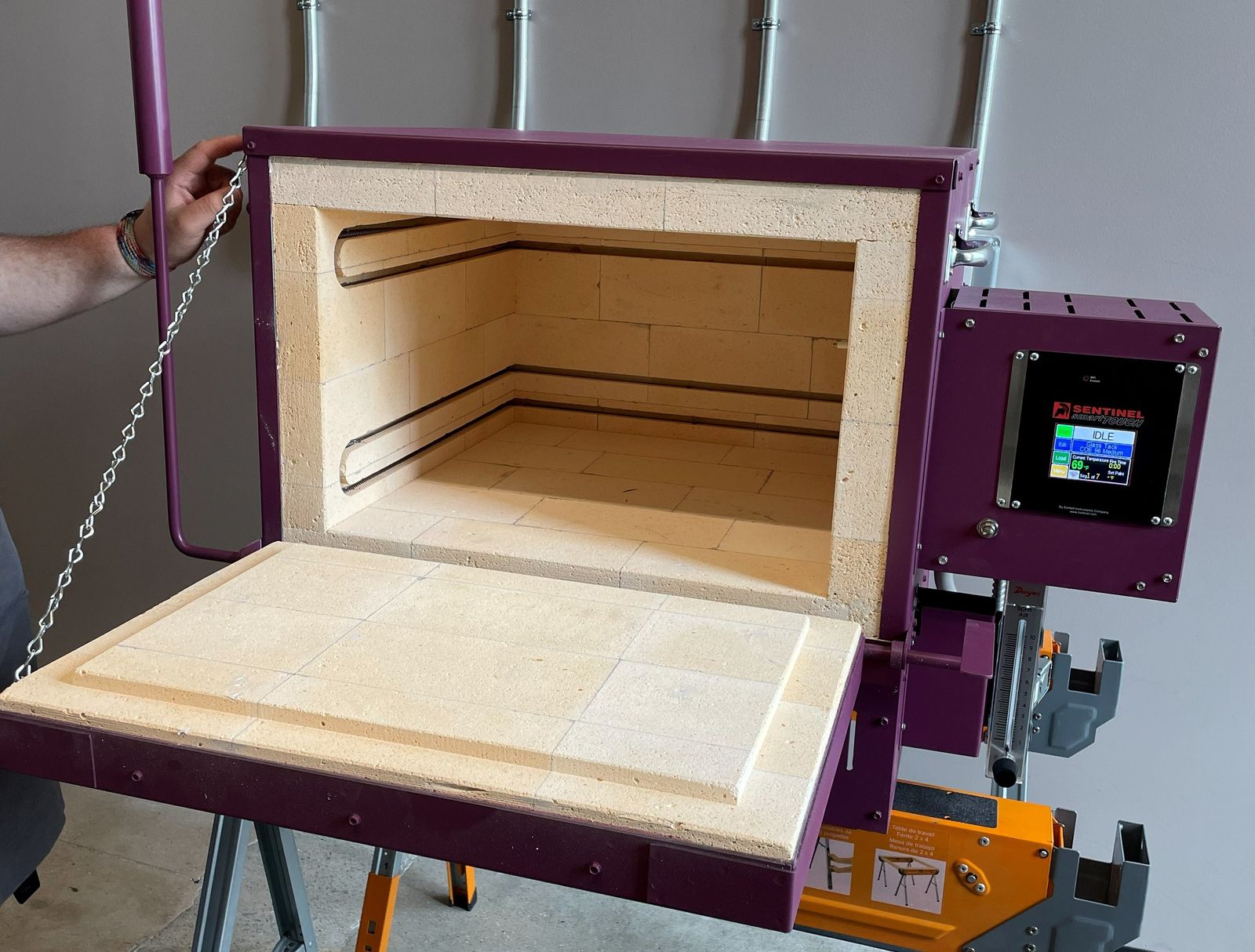
Crucibles holding the gray powder are calcined in a furnace. The powder comes out black, and it stays black through the remaining steps.
A jet mill brings the black powder to its final particle size, the last step before it is bagged.
The finished black powder is bagged as Freedom 250 and shipped to cell makers for evaluation.
In the conventional route the precursor, called pCAM, is made in a separate plant before the cathode plant can begin its work, and our route has no need for that plant at all. What remains is a shorter flow sheet with fewer steps, and none of it depends on a precursor supply that China controls.
Melting a feedstock sounds as though it should cost a great deal of energy. The conventional route forms its LFP crystals at a lower temperature than our melt, but it has to hold that temperature for far longer, and over a full run the long hold uses more energy and takes more equipment and a larger plant to do it. That comes on top of the precursor plant and its days of precipitation, filtration and drying, which our flow sheet does not have.
Feedstock is the largest cost in making LFP, and a route that accepts more grades has more ways to buy it. Technical-grade lithium carbonate, fertilizer-grade ammonium phosphate and iron oxide all cost less than the battery-grade and precursor materials the conventional route requires, and none of it ships from China with a tariff on top.
Separation chemistries and material comminution are second steps. Thermal processing is the first.
LFP is not inherently conductive, and lithium moves through the crystal in only one direction. The particles therefore have to be made small, coated in carbon, and then built back up into larger secondary particles that can carry current.
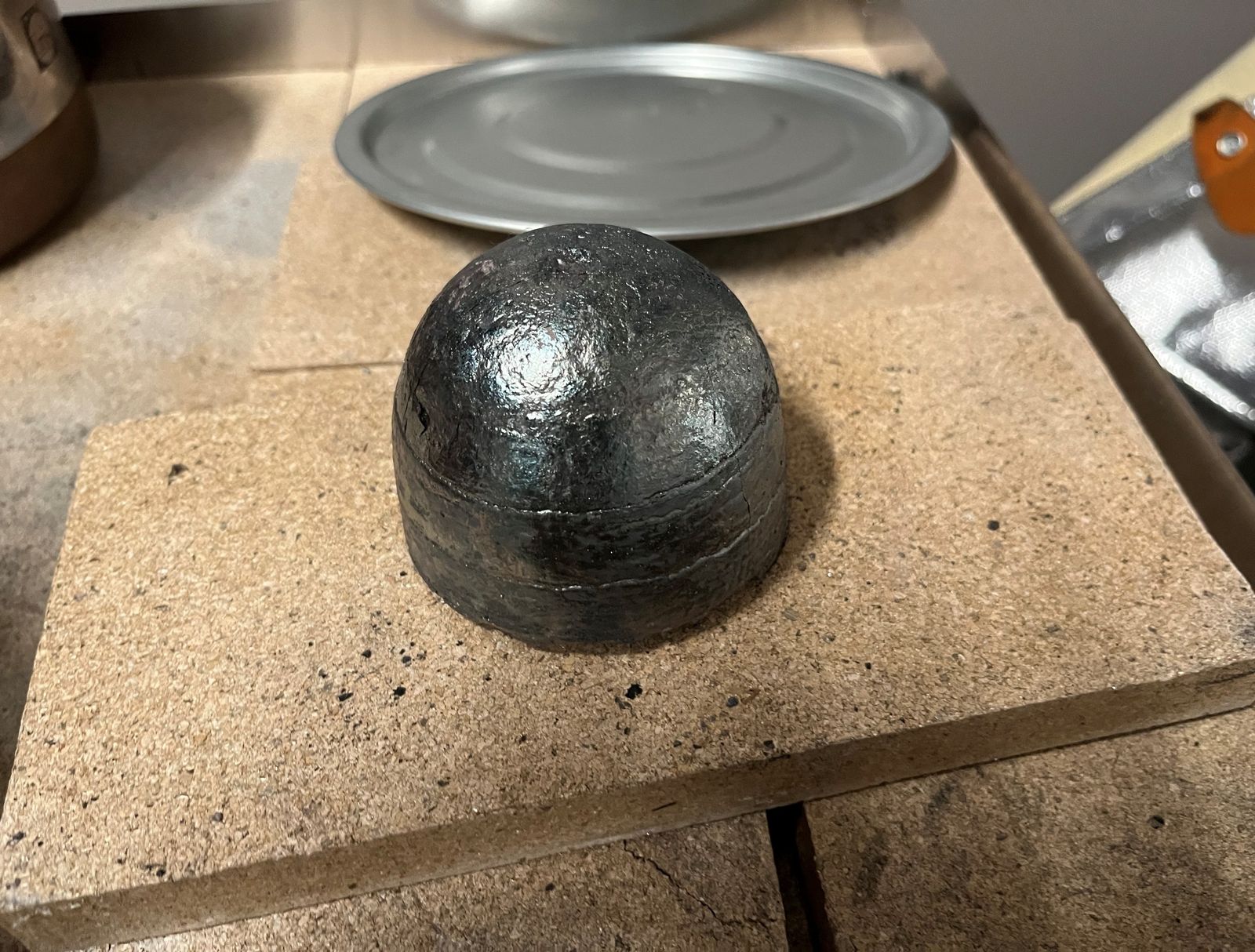
Single crystals are solid pieces of LFP at about 3.6 g/cc, and adding them to the mix raises the compaction density of the pressed electrode. Lithium moves slowly through a solid crystal, however, and the crystal fraction, the crystal size and the carbon coating have to be optimized together. Enough single crystals lift the density, and too many cost capacity. Freedom 250 sits where that trade settles.
A single crystal on its own would press to 3.6 g/cc and deliver almost nothing. Density only counts when the capacity comes with it, and that is the line Freedom 250 is measured against.
The phase twin is an AI process twin of our furnace, built on the thermodynamics of the lithium, iron and phosphate system and corrected by the production runs made since 2025. The physics gives it the textbook phase behavior, and the run data teaches it where our furnace departs from the textbook. For each incoming lot it predicts the liquidus, the freezing range and the particle that will form, before anything is heated.
Each prediction is then checked against the run record. In the figures on this page, blue marks a value the model predicted and lime marks a value that was measured.
A customer qualifies the material once. When the feedstock changes, we hold the spec.
Feedstock is close to 75 percent of what it costs to make LFP cathode, so the price of the inputs sets the margin more than anything else on the line. The conventional route has to buy battery-grade lithium carbonate and a finished precursor, and for a plant outside China it pays freight, handling and tariff on top of them.
Our melt buys the grade below, technical-grade lithium carbonate, iron oxide and fertilizer-grade phosphate, from suppliers here, and removes what they could not afford to remove. Nothing is added back downstream to make up for it. At the same selling price the difference lands as margin, and it widens as lithium prices rise, because the cheaper grade tracks the expensive one at a discount. That is why flexibility is the economics of the company, not a feature of the furnace.
What a supplier could not afford to remove leaves the melt as slag and off-gas. The burden of purity sits with us, and the customer gets the same spec from every lot.
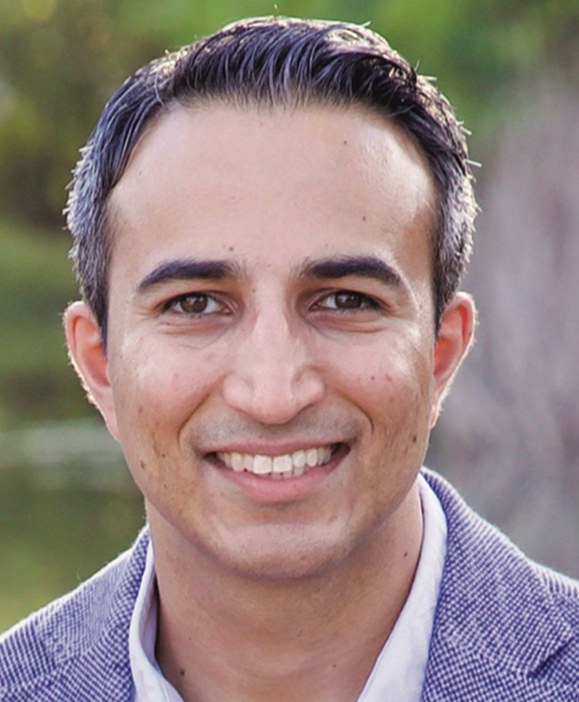
Chaitanya Sharma is a manufacturing engineer who has helped build two US gigafactories. He joined Tesla in 2015 as one of the first people on the Nevada Gigafactory and learned cell manufacturing from the ground up. In 2021 he became founding CEO of iM3NY, built and commissioned a gigafactory in Endicott, New York, and raised more than $250 million.
Comparing the two projects taught him two things. The companies that scaled had an established manufacturing partner behind them, and the consistency and quality of the cathode decided whether a line could repeat its results across millions of cells rather than tens of thousands. He also came to see that making cathode is a chemical reaction, and one that does not have to go through China. He founded Nascent on those lessons, as a process technology company that makes LFP on an existing industrial melt and atomization process, from lithium, iron and phosphate sources in many forms and purities, with no pCAM step, at a cost that competes at scale. He holds an MS from Stanford and a BTech from IIT Roorkee, both in mechanical engineering.
LinkedIn
Former CEO of a venture-backed battery-materials startup and an Activate Fellow. Doctorate from Temple.
LinkedIn
Doctorate from Beijing University of Technology, followed by work under a Nobel laureate at UT Austin. More than eight years in Li-ion.

Former CTO of an energy-materials startup. Doctorate from Brown.
LinkedIn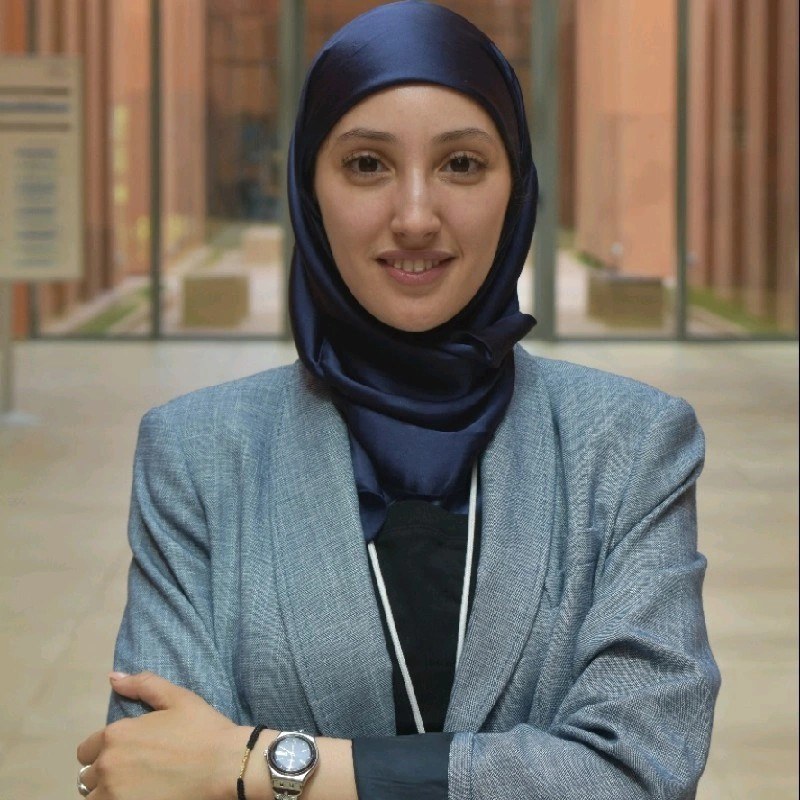
Visiting PhD scholar at MIT, working in battery development and recycling.
LinkedIn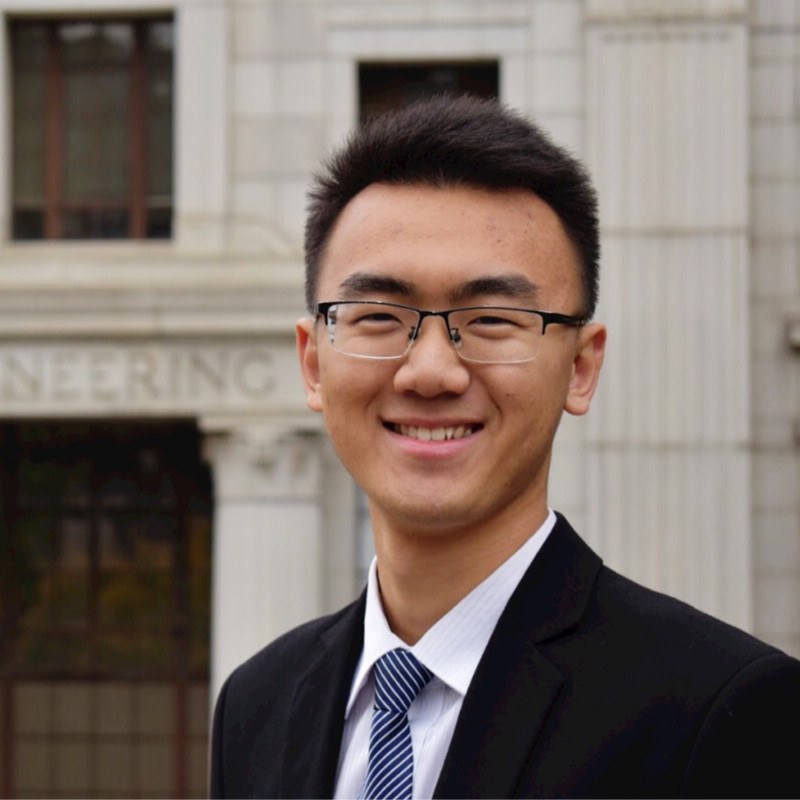
Doctorate from Princeton, with five years in electrochemical and materials engineering.
LinkedIn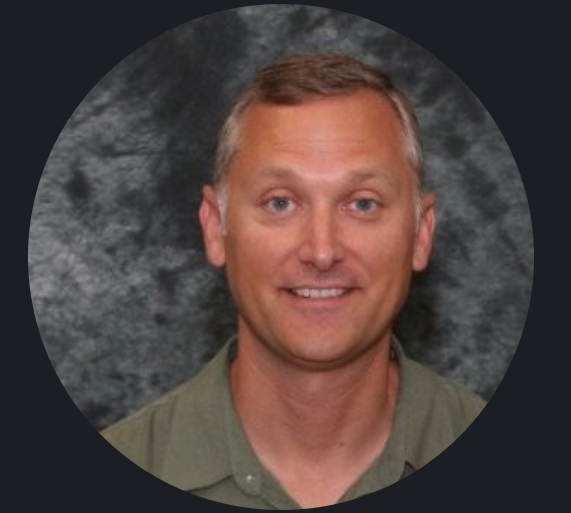
Cathode process development, scale-up and qualification with cell manufacturers.
LinkedIn
Co-founder and Chief Strategy Officer of Our Next Energy, where she spent six years. Leads capital, government and partnership strategy for Nascent.
LinkedIn
Partner at SOSV. Championed the firm's investment in Nascent and led the round.
LinkedIn





A monthly newsletter from the lab is in preparation. Subscribe with the form below to receive it.
Release text and embargo details will follow. Media inquiries go to the contact listed in the press kit.
Read the release when it postsTell us what you are building and how much material you would like to evaluate, and the team in Newark will follow up about a sample of Freedom 250.
You can also write to us at hello@nascentmaterials.com.
Nascent Materials makes LFP cathode powder by melt synthesis, on an existing industrial melt and water atomization process, with no pCAM precursor. Its phase twin, calibrated on production runs since 2025, predicts what a feedstock will become before it enters the furnace. That prediction lets one thermal line turn lithium, iron and phosphate sources in the forms and grades US supply offers into the same high-density LFP cathode, with no pCAM step and with recycled lithium in development. The company is based in Newark, New Jersey, and scales production with GKN Powder Metallurgy.
Media contact: Deeana Ijaz, Ijaz Partners, deeana@ijazpartners.com
We hire process engineers, materials scientists and operators to work in Newark, and we look for people who are at home around a furnace and a shift log.